


Context
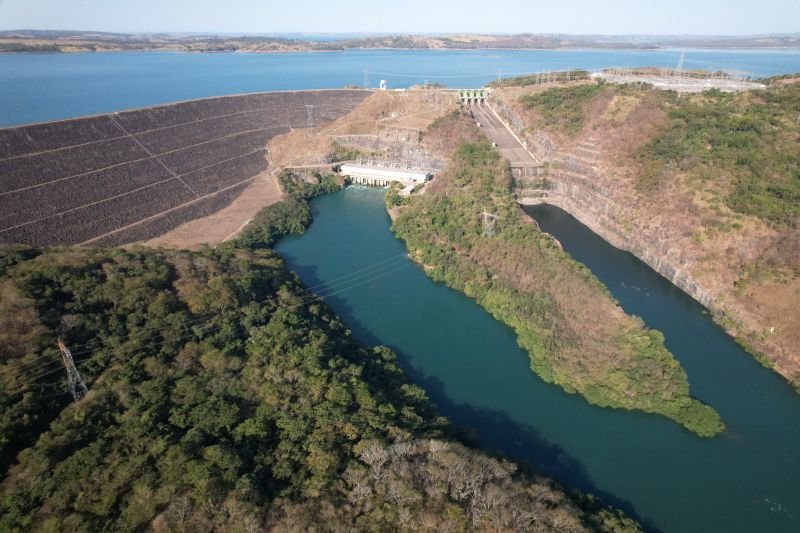
The surroundings of artificial reservoirs present significant ecological challenges due to human activities and the impacts generated by the construction and operation of the reservoir. The conservation of biodiversity and the sustainable use of the areas around the reservoir are essential to mitigate the negative effects on the local ecosystem. Therefore, proper planning is fundamental to preserve areas of native vegetation, restore degraded areas, and ensure the continuity of the region’s ecological function.
Methodology
The applied methodology included an integrated approach, involving the assessment of current land use and identifying risk areas. For this purpose, environmental and socioeconomic surveys conducted, with emphasis on those most vulnerable to environmental transformation. Furthermore, the effects of land use (agriculture, urbanization, etc.) on the areas were considered, which allowed for the proposal of actions aimed at erosion control, habitat recovery, and restoration of the affected areas.
Results
This integrative data analysis resulted in a series of proposals and actions focused on the restoration of native vegetation and the recovery of degraded areas. The initiatives aim to minimize the negative impacts of human activities, promoting environmental sustainability and ensuring the ecological function of the area over time.
Status
Complete
Year
2023
Category
Permitting
![pt_BR[1]](https://clam.com.br/wp-content/uploads/2025/11/pt-br1.svg "pt_BR[1]")
![en_US[1]](https://clam.com.br/wp-content/uploads/2025/11/en-us1.svg "en_US[1]")