Below are some success stories, examples of good management, and the commitment of Clam teams to achieving their defined goals.

DEVELOPMENT OF SOCIO-ENVIRONMENTAL STUDIES

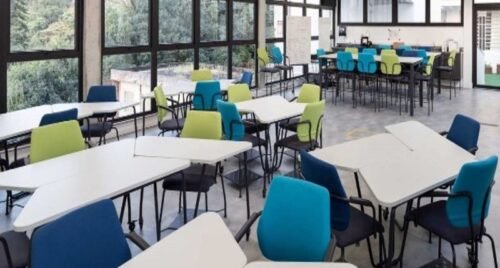
Development of Socio-environmental Studies for the implementation of new public schools through Public-Private Partnerships. This project includes the preparation of diagnoses, analysis of environmental restrictions of the insertion area and applicable current legislation, considering recommendations aimed at pertinent actions and good practices that ensure the proper implementation of the projects and consequently their operation. 

GUIDELINES FOR THE CLOSURE OF WASTE ROCK AND/OR TAILINGS PILES

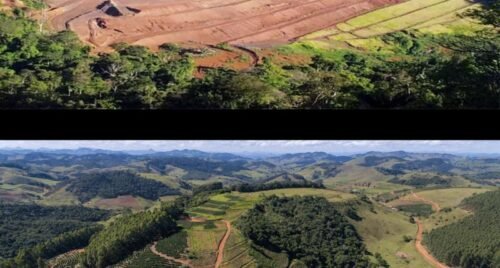
Strategic project focused on the development of guidelines for the closure of Waste Rock and/or Tailings Piles, with the objective of contributing to a guiding document that guides the safe and effective closure of these structures.

Environmental Licensing of Mining Project

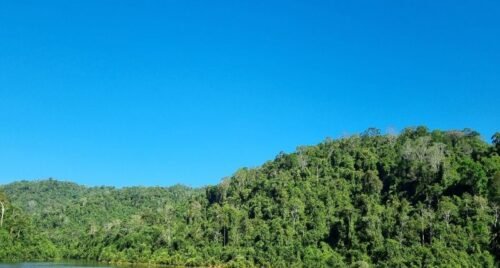
Development of Environmental Licensing through the preparation of environmental studies and monitoring of aspects of the physical, biotic, and socioeconomic environments for the mining segment activity, including access roads and transmission lines in the Amazon biome, in the state of Pará.

EMERGENCY ASSESSMENT AND RECOVERY PLAN

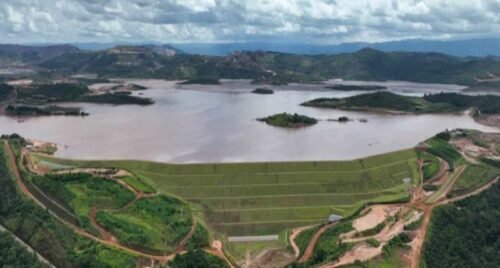
Development of a preventive plan focused on creating long-term recovery strategies, with the objective of structuring actions for a hypothetical breach event. The objective was to assess the social, environmental, and economic impacts that may arise from failure in tailings disposal structures, considering the extent of local damage and its medium- and long-term repercussions, and to engage stakeholders in defining and implementing recovery actions.


Book IBAMA

Execution of the study for the Prior Consent process for the Suppression of Atlantic Forest Vegetation in the middle stage of regeneration, within the limits defined by Federal Law No. 11,428 of December 22, 2006, for a distribution line with more than fifty hectares of Atlantic Forest to be suppressed.

Environmental Licensing and Environmental Process Management

The execution of environmental licensing studies and activities is essential to ensure compliance and minimize the environmental impacts of energy infrastructure projects, such as energy distribution lines, substations, and hydroelectric power plants. These projects frequently impact sensitive ecosystems and preservation areas, requiring a detailed analysis and the application of good environmental practices in compliance with current regulations.

Strategy for Conservation and Sustainable Use of Reservoir Surroundings

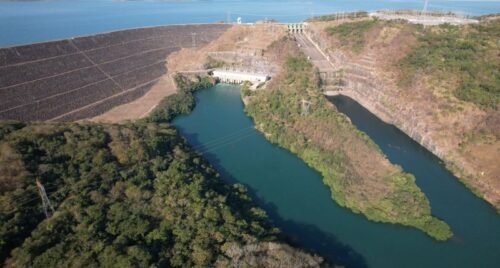
The surroundings of artificial reservoirs present significant ecological challenges due to human activities and the impacts generated by the construction and operation of the reservoir. The conservation of biodiversity and the sustainable use of the areas around the reservoir are essential to mitigate the negative effects on the local ecosystem. Therefore, proper planning is fundamental to preserve areas of native vegetation, restore degraded areas, and ensure the continuity of the region’s ecological function.

Hydrosedimentological Monitoring

Hydrosedimentological monitoring is essential to evaluate environmental impacts resulting from sedimentation, erosion, and their consequences on aquatic ecosystems. These processes affect water quality, sedimentological dynamics, and aquatic biodiversity, compromising the environmental health of reservoirs and other water bodies.

Seed Collection, Processing, and Storage Course

In the United Nations Decade on Ecosystem Restoration, the forest restoration chain in Brazil faces challenges in properly producing seedlings of native species. In Brazil, there are more than 30,000 native plant species that can potentially be used in forest restoration. Knowing the best techniques for collecting, processing, and storing seeds of native species is one of the crucial points for promoting successful environmental recovery actions.

+ than 150 satisfied customers + than 29 years of operation