


Context
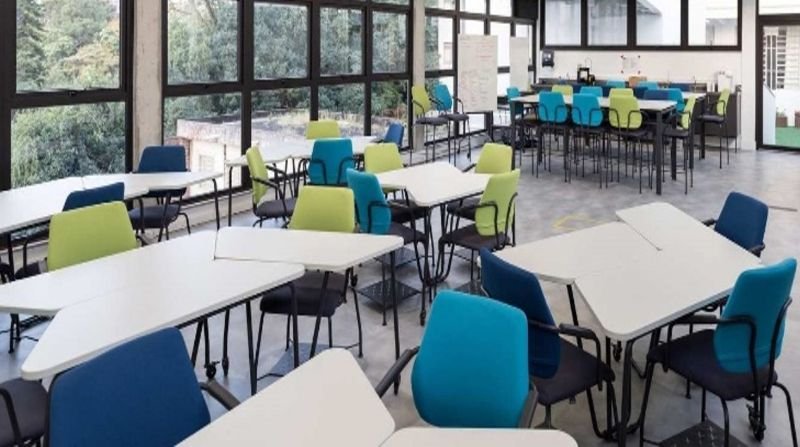
Development of Socio-environmental Studies for the implementation of new public schools through Public-Private Partnerships. This project includes the preparation of diagnoses, analysis of environmental restrictions of the insertion area and applicable current legislation, considering recommendations aimed at pertinent actions and good practices that ensure the proper implementation of the projects and consequently their operation.
Methodology
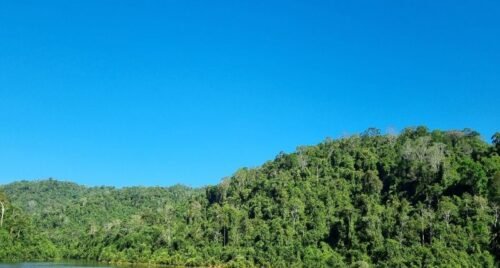
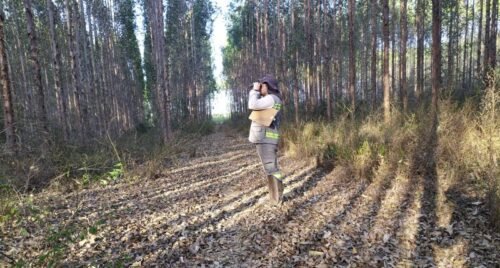
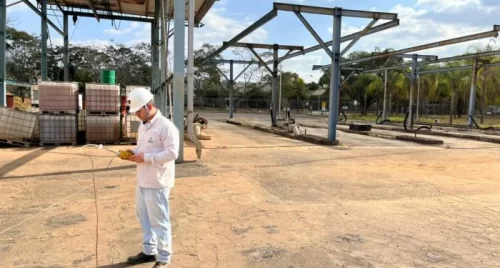
Os Estudos Socioambientais abordaram a avaliação dos aspectos sociais e ambientais que pudessem impactar a implantação do projeto, além de ter mapeado todos os riscos relacionados à área de intervenção e seu entorno, seguindo as premissas de estruturação elaborada pela Clam, como proposta de atendimento às diretrizes das instituições financiadoras. Para desenvolvimento dos estudos, foram analisadas as legislações vigentes nas três esferas (Federal, Estadual e Municipal), além de observadas as especificidades quanto à regularização ambiental e aos respectivos órgãos competentes no estado objeto da implantação, com base em diagnósticos elaborados nas temáticas de Meio Físico, Meio Biótico, Meio Socioeconômico e Patrimônio Histórico – Cultural e Arqueológico.
Results
Recomendações quanto às obrigações legais e relacionadas a boas práticas foram registradas com o objetivo de prevenir passivos e garantir ações de controle ambiental, além do cumprimento das obrigações legais pertinentes à implantação do projeto, subsidiando o empreendimento quanto ao mapeamento de riscos ambientais e ações pertinentes para a devida execução do projeto.
Status
Complete
Year
2024 e 2025
Category
Integrated Social Management
![pt_BR[1]](https://clam.com.br/wp-content/uploads/2025/11/pt-br1.svg "pt_BR[1]")
![en_US[1]](https://clam.com.br/wp-content/uploads/2025/11/en-us1.svg "en_US[1]")