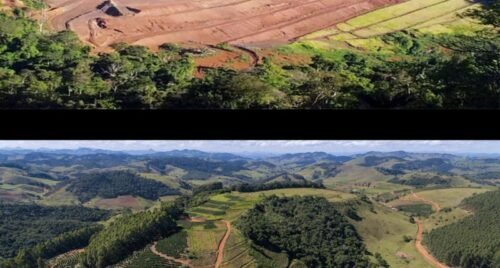


Conceptual and executive level closure plan

Context

Mine operations with the need to plan structured actions, in line with the best international practices, in order to guarantee the physical and chemical stability of the structures, enabling the future use and socio-environmental sustainability of the enterprise in the decommissioning and post-decommissioning phases.

Methodology

Details of actions related to decommissioning, such as the process of definitive decommissioning of structures, associated aspects and impacts, applicable control and mitigation measures, evaluation of possible future uses, justification for the chosen future use, costs involved and schedule.

Results

Integrated vision of the necessary actions to proceed with decommissioning and guarantee the best alternative for future use, considering all socio-environmental and financial aspects.

Status

Complete

Year

2019

Category

Environment
Outros Cases

Seed Collection, Processing, and Storage Course

In the United Nations Decade on Ecosystem Restoration, the forest restoration chain in Brazil faces challenges in properly producing seedlings of native species. In Brazil, there are more than 30,000 native plant species that can potentially be used in forest restoration. Knowing the best techniques for collecting, processing, and storing seeds of native species is one of the crucial points for promoting successful environmental recovery actions.

GUIDELINES FOR THE CLOSURE OF WASTE ROCK AND/OR TAILINGS PILES

Strategic project focused on the development of guidelines for the closure of Waste Rock and/or Tailings Piles, with the objective of contributing to a guiding document that guides the safe and effective closure of these structures.

Forest fires

Development of a plan for monitoring of surface waters, bottom sediments, soils, fish, fruits and tree canopy as a result of the application of flame retardants in areas where forest fire mitigation actions are planned in the state of Pará, Brazil.