


Context
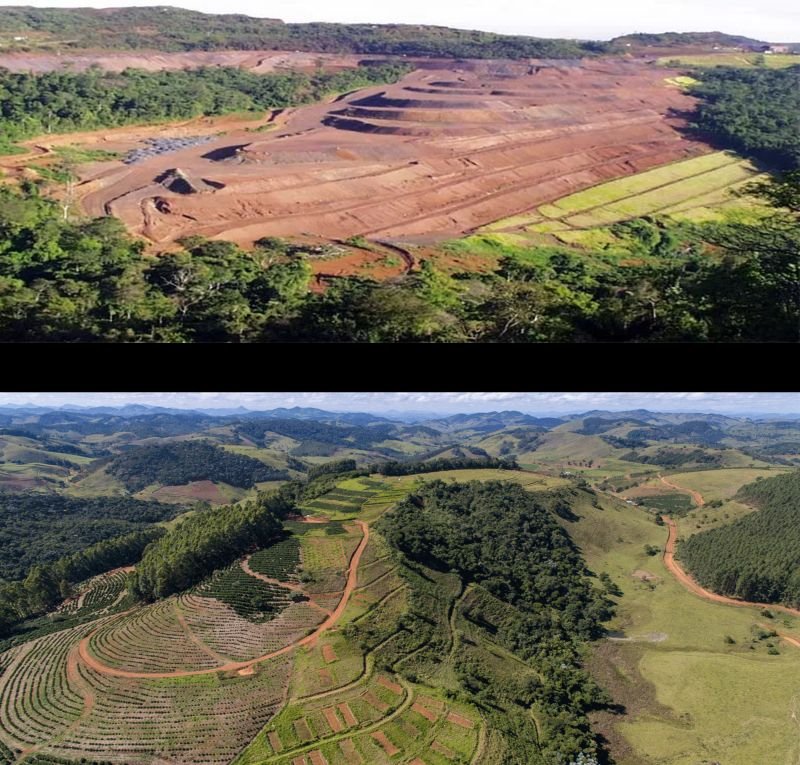
Strategic project focused on the development of guidelines for the closure of Waste Rock and/or Tailings Piles, with the objective of contributing to a guiding document that guides the safe and effective closure of these structures.
Methodology
O projeto foi desenvolvido por equipe multidisciplinar da Clam, que realizou as seguintes atividades: busca de referências internacionais para subsidiar a metodologia; organização e condução de workshops ambientais, relacionados a indicadores importantes para o fechamento de pilhas; e metodologias de revegetação e reabilitação de áreas e estabilidade química das estruturas. Além disso, foi elaborada a proposição de alternativas para um projeto de revegetação, com o objetivo de restaurar a estrutura futura ao seu estado original e mitigar os pontos críticos de encerramento identificados, garantindo o fechamento seguro e confiável. A equipe também desenvolveu um plano de ação com prazos definidos, avaliou o uso múltiplo e futuro das áreas com foco no conservacionismo, e propôs fechamentos adequados às necessidades da comunidade local, gerando valor para a região.
Results
Atendimento com sucesso às diversas demandas ambientais, contribuindo com a implementação de metodologias eficazes para o fechamento de pilhas de estéril e rejeitos.
Status
Em Andamento
Year
2023, 2024 e 2025
Category
Environment
![pt_BR[1]](https://clam.com.br/wp-content/uploads/2025/11/pt-br1.svg "pt_BR[1]")
![en_US[1]](https://clam.com.br/wp-content/uploads/2025/11/en-us1.svg "en_US[1]")