


Context
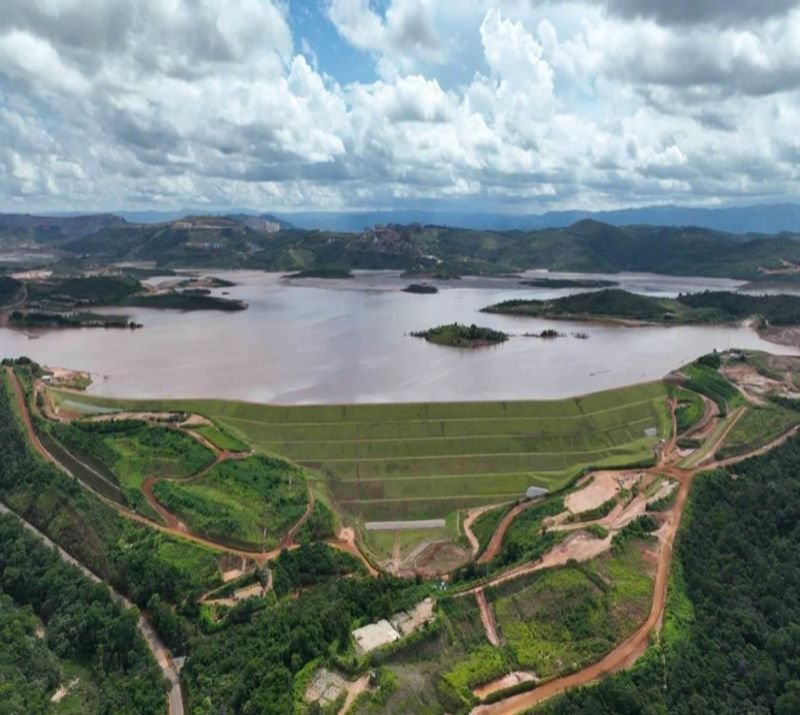
Development of a preventive plan focused on creating long-term recovery strategies, with the objective of structuring actions for a hypothetical breach event. The objective was to assess the social, environmental, and economic impacts that may arise from failure in tailings disposal structures, considering the extent of local damage and its medium- and long-term repercussions, and to engage stakeholders in defining and implementing recovery actions.
Methodology
Análise estratégica das lições aprendidas e boas práticas internacionais, integrando o planejamento de gestão de desastres, a participação comunitária e a governança. O processo envolve a implementação de estratégias de resposta eficazes, com o engajamento de órgãos públicos e organizações relevantes, alinhadas aos padrões internacionais de ESG.
Results
Foi criada uma abordagem estratégica que, além de responder aos riscos, fortalece a sustentabilidade e resiliência do empreendimento e das comunidades mapeadas. A partir dos métodos de engajamento, foram elaborados um Plano de Comunicação de Emergência e um planejamento detalhado para as ações de recuperação, com recomendações para aprimorar as técnicas de resposta e recuperação existentes.
Status
Complete
Year
2023 e 2024
Category
Environment


![pt_BR[1]](https://clam.com.br/wp-content/uploads/2025/11/pt-br1.svg "pt_BR[1]")
![en_US[1]](https://clam.com.br/wp-content/uploads/2025/11/en-us1.svg "en_US[1]")