

Hydrosedimentological Monitoring

Context

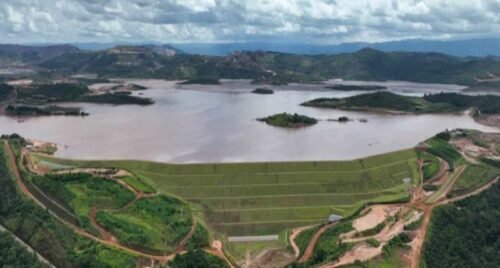
Hydrosedimentological monitoring is essential to evaluate environmental impacts resulting from sedimentation, erosion, and their consequences on aquatic ecosystems. These processes affect water quality, sedimentological dynamics, and aquatic biodiversity, compromising the environmental health of reservoirs and other water bodies.

Methodology

The methodology involved the analysis of data on precipitation, flow, water quality, and sedimentation, with the use of bioindicators such as ichthyofauna, macrophytes, and erosion analysis. Comparisons with historical data were performed to evaluate long-term impacts.

Results

The program allowed for a detailed evaluation of hydrosedimentological dynamics, with a focus on water quality, aquatic biodiversity, and erosion of the reservoir banks.

Status

Complete

Year

2023

Category

Permitting
Outros Cases

Strategy for Conservation and Sustainable Use of Reservoir Surroundings

The surroundings of artificial reservoirs present significant ecological challenges due to human activities and the impacts generated by the construction and operation of the reservoir. The conservation of biodiversity and the sustainable use of the areas around the reservoir are essential to mitigate the negative effects on the local ecosystem. Therefore, proper planning is fundamental to preserve areas of native vegetation, restore degraded areas, and ensure the continuity of the region’s ecological function.

Social Mobilization for PAEBM Actions

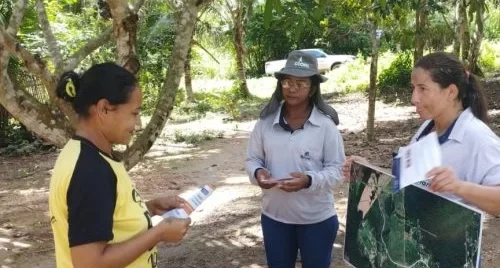
Development of strategies for social mobilization and engagement of local communities to promote wide dissemination of information about the actions of the PAEBM – Emergency Action Plan for Mining Dams, enabling popular participation in the safety agenda and spreading a preventive culture.

EMERGENCY ASSESSMENT AND RECOVERY PLAN

Development of a preventive plan focused on creating long-term recovery strategies, with the objective of structuring actions for a hypothetical breach event. The objective was to assess the social, environmental, and economic impacts that may arise from failure in tailings disposal structures, considering the extent of local damage and its medium- and long-term repercussions, and to engage stakeholders in defining and implementing recovery actions.