

Social Mobilization for PAEBM Actions

Context

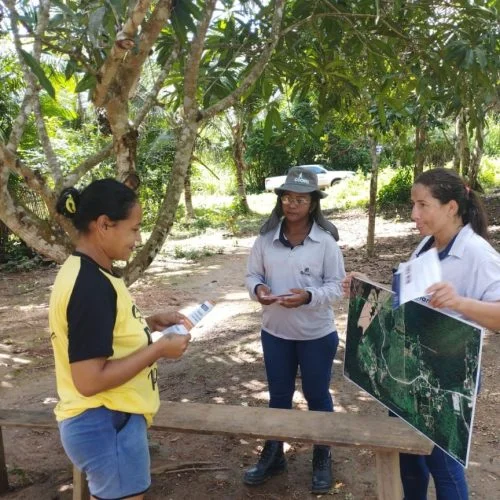
Development of strategies for social mobilization and engagement of local communities to promote wide dissemination of information about the actions of the PAEBM – Emergency Action Plan for Mining Dams, enabling popular participation in the safety agenda and spreading a preventive culture.

Methodology

Hiring local residents to act in mobilization activities alongside Clam teams for PAEBM actions (Practical Simulations, Orientation Seminars, and Siren Tests), promoting the inclusion of the community in the activities carried out by the project in the region and fostering local socioeconomic development, with support in the generation of work and income.

Results

The active participation of residents in communication actions prior to PAEBM events contributed to valuing the local population’s knowledge of the territory, strengthening community ties, and increasing the credibility of the information passed on by the teams. The activities provided information and awareness to more than two hundred local families and encouraged increased engagement of residents in PAEBM safety events.

Status

In progress

Year

2024 e 2025

Category

Environment

Outros Cases

DEVELOPMENT OF SOCIO-ENVIRONMENTAL STUDIES

Development of Socio-environmental Studies for the implementation of new public schools through Public-Private Partnerships. This project includes the preparation of diagnoses, analysis of environmental restrictions of the insertion area and applicable current legislation, considering recommendations aimed at pertinent actions and good practices that ensure the proper implementation of the projects and consequently their operation. 

Environmental monitoring

Development of environmental licensing, monitoring and various services for the gold mine, access road and transmission line in the Amazon biome, in the state of Pará, Brazil.

Seed Collection, Processing, and Storage Course

In the United Nations Decade on Ecosystem Restoration, the forest restoration chain in Brazil faces challenges in properly producing seedlings of native species. In Brazil, there are more than 30,000 native plant species that can potentially be used in forest restoration. Knowing the best techniques for collecting, processing, and storing seeds of native species is one of the crucial points for promoting successful environmental recovery actions.