

Social Mobilization for PAEBM Actions

Context

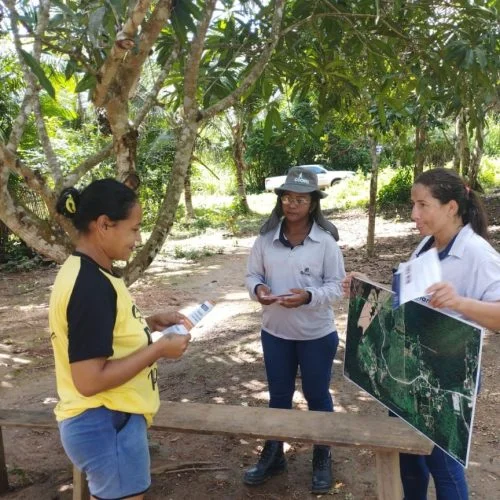
Development of strategies for social mobilization and engagement of local communities to promote wide dissemination of information about the actions of the PAEBM – Emergency Action Plan for Mining Dams, enabling popular participation in the safety agenda and spreading a preventive culture.

Methodology

Hiring local residents to act in mobilization activities alongside Clam teams for PAEBM actions (Practical Simulations, Orientation Seminars, and Siren Tests), promoting the inclusion of the community in the activities carried out by the project in the region and fostering local socioeconomic development, with support in the generation of work and income.

Results

The active participation of residents in communication actions prior to PAEBM events contributed to valuing the local population’s knowledge of the territory, strengthening community ties, and increasing the credibility of the information passed on by the teams. The activities provided information and awareness to more than two hundred local families and encouraged increased engagement of residents in PAEBM safety events.

Status

In progress

Year

2024 e 2025

Category

Environment
Outros Cases

EMERGENCY ASSESSMENT AND RECOVERY PLAN

Development of a preventive plan focused on creating long-term recovery strategies, with the objective of structuring actions for a hypothetical breach event. The objective was to assess the social, environmental, and economic impacts that may arise from failure in tailings disposal structures, considering the extent of local damage and its medium- and long-term repercussions, and to engage stakeholders in defining and implementing recovery actions.

Plano Integrado como estratégia de resposta à incêndio florestal

Altas temperaturas, material combustível e oxigênio formam a combinação perfeita para a ocorrência de incêndios florestais. No Brasil, esses eventos são mais comuns entre maio e outubro, devido à diminuição da precipitação e umidade relativa, além da intensificação dos ventos.

Environmental Licensing and Environmental Process Management

The execution of environmental licensing studies and activities is essential to ensure compliance and minimize the environmental impacts of energy infrastructure projects, such as energy distribution lines, substations, and hydroelectric power plants. These projects frequently impact sensitive ecosystems and preservation areas, requiring a detailed analysis and the application of good environmental practices in compliance with current regulations.