


Context
In the United Nations Decade on Ecosystem Restoration, the forest restoration chain in Brazil faces challenges in properly producing seedlings of native species. In Brazil, there are more than 30,000 native plant species that can potentially be used in forest restoration. Knowing the best techniques for collecting, processing, and storing seeds of native species is one of the crucial points for promoting successful environmental recovery actions.
Methodology
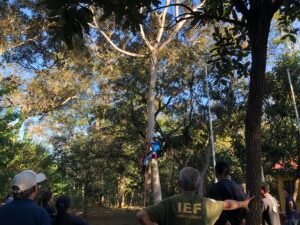
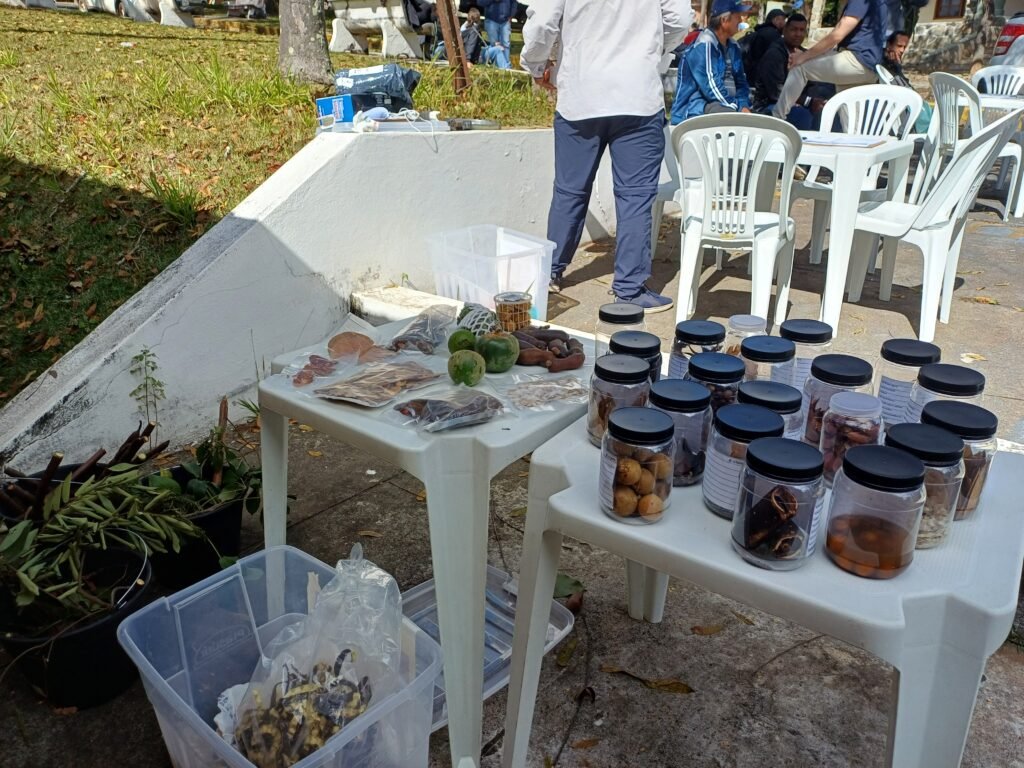
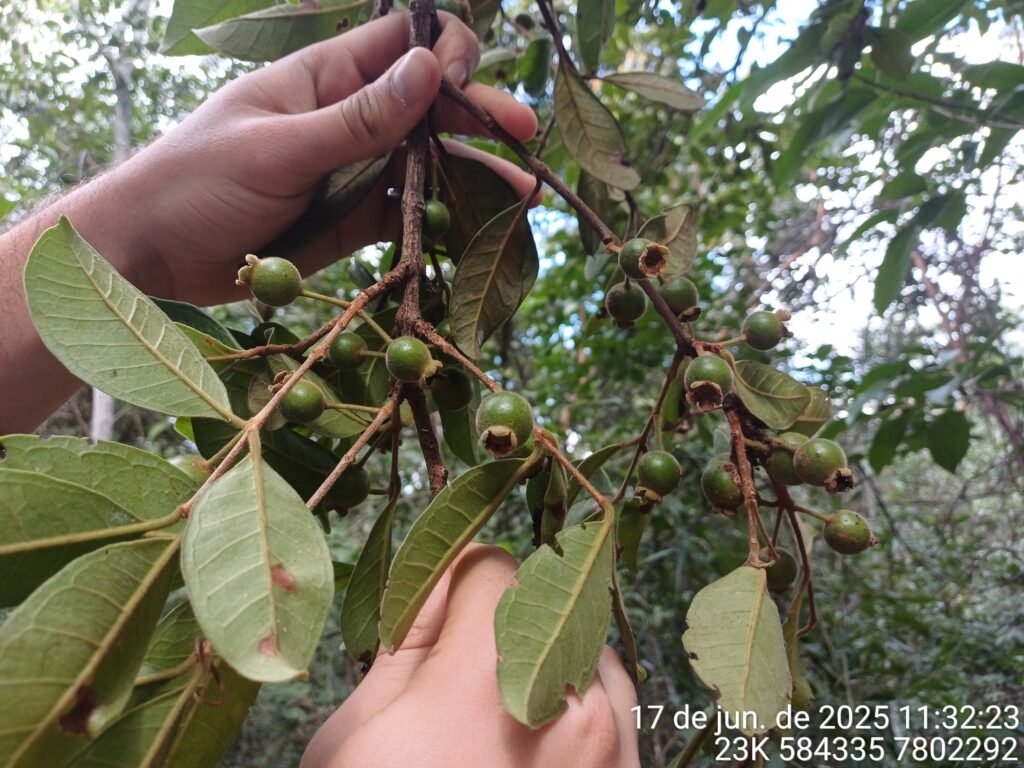
Dialogue-based lectures and practical classes were held so that the participants could share learning, refine previous knowledge, and exercise the skill of observing native seeds found in Conservation Units (Unidades de Conservação - UCs) in Minas Gerais.
Results
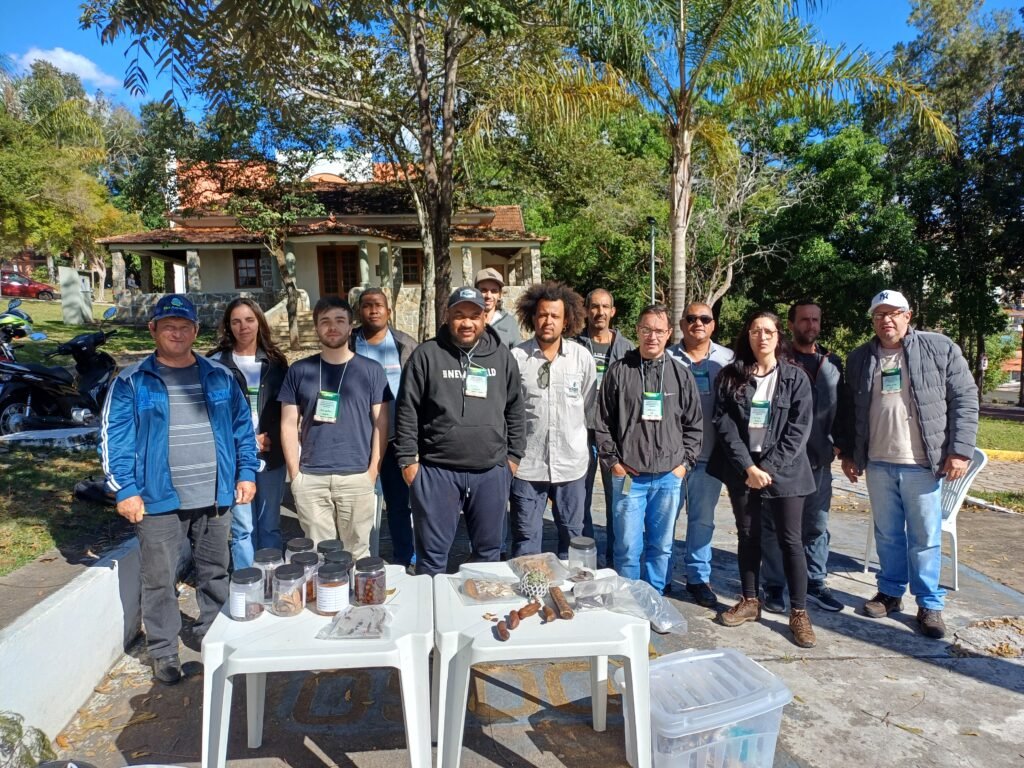
So far, about sixty participants have been trained. The target audience consists of employees of the State Forestry Institute ( Instituto Estadual de Florestas - IEF) and partner institutions that act directly in the production of seedlings of native species in Minas Gerais. The objective is to continue the training and serve all regions of Minas Gerais, including new employees and Conservation Units, bringing improvement to the forest promotion services of Minas Gerais.
Status
In progress
Year
2024 e 2025
Category
Flora


![pt_BR[1]](https://clam.com.br/wp-content/uploads/2025/11/pt-br1.svg "pt_BR[1]")
![en_US[1]](https://clam.com.br/wp-content/uploads/2025/11/en-us1.svg "en_US[1]")