
Context
Development of a plan for monitoring of surface waters, bottom sediments, soils, fish, fruits and tree canopy as a result of the application of flame retardants in areas where forest fire mitigation actions are planned in the state of Pará, Brazil.
Methodology
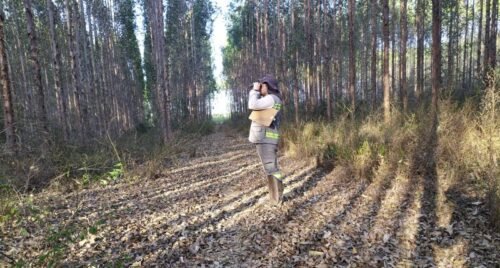
For the development of the services, collections and laboratory analyses of samples were necessary to assess the impacts resulting from the application of the retardant based on the legal/regulatory parameters of the resolutions of the National Environment Council, Brazilian Association of Technical Standards, National Water Agency, National Sanitary Surveillance Agency and the Brazilian Agricultural Research Corporation, Brazilian agencies that govern the subject in question. The evaluation of the canopy by aerial images of the application areas was carried out using drone overflights. An evaluation of possible impacts was also provided, such as the significant loss of canopy leaves, changes in the canopy color pattern and tree mortality.
Results
Meeting customer´s environmental demands with the delivery of a conclusive report on the topic.
Status
Complete
Year
2020
Category
Services