


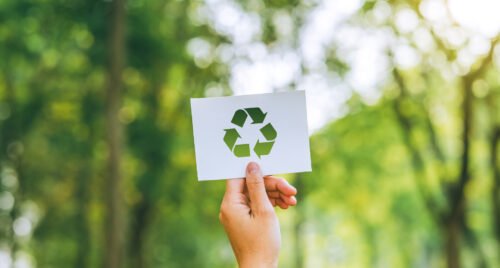
Clean energies encompass energy production systems that do not generate any type of pollution, primarily greenhouse gas emissions such as CO²2, which contribute to climate change. This includes hydroelectric, wind, solar (photovoltaic), green hydrogen, biomass, and other forms of energy.
It is important to note that clean energy and renewable energy do not have the same meaning, with the main difference being related to pollution. While some renewable energies can cause pollution, such as biodiesel and biogas, which emit greenhouse gases when burned, they are classified as "renewable energy sources" but cannot be considered clean energy sources due to their polluting nature.
According to data from the Agência Internacional de Energia Renovável, até o ano de 2050, 90% da eletricidade mundial pode ser originada de fontes de energias limpas. Atualmente este percentual é de 29% com projeção de avanço significativa ao longo dos anos. Assim, esta projeção está alinhada com os Sustainable Development Goals (SDGs) sustainable by Development Goals (SDGs), particularly Goal 7, which focuses on "affordable and clean energy" and aims to ensure access to cheap, reliable, sustainable, and modern energy sources for all.
Considering that Brazil has the largest hydropower potential in the world, hydroelectric power is currently the largest source of clean energy used in the country. However, in recent years, solar and wind energy have been gaining more prominence and growing exponentially.
Regardless of the degree of impact, clean energies must undergo environmental permissing, which is mandatory for all environmentally impactful activities. Obtaining environmental permission depends on state and federal spheres, as well as compliance with the standards set by the Brazilian Association of Technical Standards (ABNT) and resolutions of the National Environment Council (CONAMA).
Clam no contexto de uso de Energias Limpas
Atualmente a Clam executa diversos serviços ambientais para o setor de energia limpa abrangendo múltiplos empreendimentos em mais 100 municípios ao longo dos estados de MG, GO, ES, RJ, CE e SC. Neste setor, a Clam atua em mais de 40 usinas hidrelétricas, além de centrais eólicas e centenas de linhas de distribuição e subestações para a maior companhia energética de Minas Gerais, com a execução de mais de 50 tipos de serviços ambientais distintos tais como:
- Monitoramento limnológico, incluindo parâmetros físico-químicos e hidrobiológicos (fitoplâncton, zooplâncton, macroinvertebrados bentônicos e macrófitas);
- Monitoring of potability and sanitary and industrial effluents;
- Monitoring of fish in hydropower projects in different river basins, including trophic ecology studies, reproductive biology, and monitoring of fish eggs and larvae in reservoirs, tributaries, and free-flowing river sections;
- Landscape ecology and terrestrial fauna enhancement in large-scale power plants;
- Fauna rescue, deterrence, and monitoring in transmission and distribution lines across different Brazilian biomes;
- Preparation and execution of Forest Technical Projects, Environmental Intervention Projects/Forest Inventories, and other environmental studies required in the licensing processes for transmission and distribution lines across different Brazilian biomes;
- Execution and development of Socio-environmental Programs in communities surrounding hydropower plants, such as Environmental Education Program, Social Communication Program, Participatory Management Program focusing on actions defined in the Plans for Use and Conservation of Reservoir Surroundings (PACUERA), and Workers' Environmental Education Program (PEAT) targeted at facility workers;
- Preparation and execution of general environmental studies required in the permissing processes of electric, wind, and transmission and distribution power plants, including Environmental Impact Assessment/Environmental Impact Report (EIA/RIMA), Environmental Control Plan/Environmental Control Report (RCA/PCA), Environmental Impact Assessment (EIV), Assessment of Environmental Liabilities, Waste Management Program, Speleological Prospecting and Mapping of Cavities, Plans for Use and Conservation of Reservoir Surroundings (PACUERA), Management Plan, Compliance Reports, Preliminary Cultural Impact Study and Cultural Heritage Impact Report (EPIC/RIPC), among others.




![pt_BR[1]](https://clam.com.br/wp-content/uploads/2025/11/pt-br1.svg "pt_BR[1]")
![en_US[1]](https://clam.com.br/wp-content/uploads/2025/11/en-us1.svg "en_US[1]")